
Why Dewatering Strategy is a Competitive Advantage—and Why Rental Experience Matters
Rental companies operate in a market defined by tighter timelines, more complex jobsite requirements, and rising expectations from contractors and municipalities alike. In that environment, dependable dewatering equipment is no longer just a fleet asset—it is a business differentiator. For rental leaders focused on protecting margins, improving utilization, and strengthening customer relationships, the manufacturer behind the equipment can play a larger strategic role than ever before.
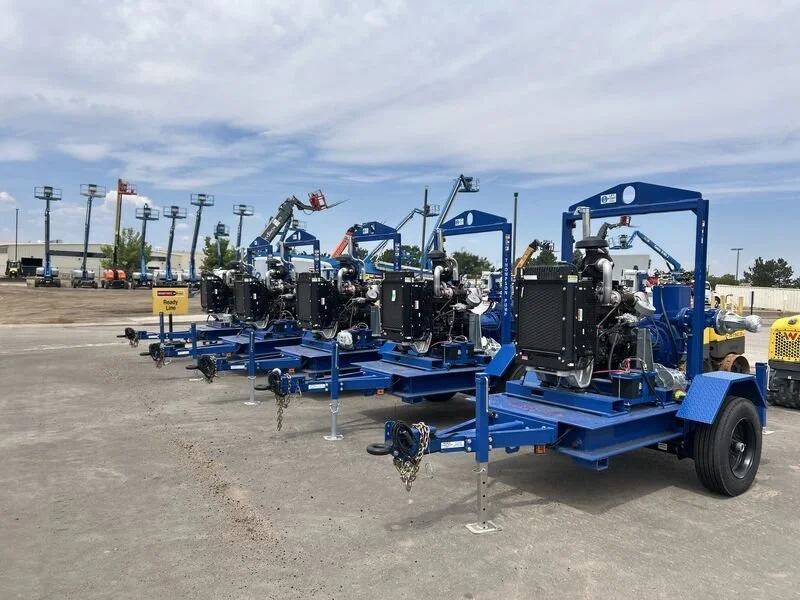
Courtesy: Wagner Cat Rentals - Pumping Solution Products Ready When You Are
Growing Demand for Dewatering Rentals
Demand for dewatering equipment continues to grow as investment in roads, bridges, utilities, stormwater systems, water treatment facilities, and underground construction projects increases nationwide. At the same time, severe weather events and emergency flooding situations are creating additional demand for temporary pumping solutions.
For many contractors and municipalities, renting dewatering equipment makes more financial and operational sense than ownership. Rentals provide flexibility to scale equipment based on project size and duration while avoiding major capital investments, ongoing maintenance responsibilities, equipment storage, and fleet obsolescence.
Demand for Specialized Pumping Solutions
That shift is especially visible in specialized pumping applications. As project conditions become more demanding, rental companies are increasingly expected to provide equipment that can handle high discharge heads, solids, sound restrictions, fuel concerns, and fast-changing site conditions without compromising reliability. For fleet leaders, the ability to meet those needs consistently can influence both customer retention and long-term market position.
By offering specialized dewatering solutions, rental companies help customers access the right equipment when they need it while keeping projects on schedule and minimizing downtime.
Challenges Rental Companies Face
While demand for rental equipment continues to rise, rental companies face growing operational and economic challenges.
Customers expect equipment to arrive job-ready and perform reliably from day one. Any unexpected downtime can result in project delays, emergency service calls, increased maintenance expenses, lost revenue, and strained customer relationships.
At the same time, rental fleets endure constant transportation, changing jobsite conditions, and heavy usage, driving up maintenance and service costs. Rising fuel prices have added further pressure, increasing the importance of efficient equipment that can reduce operating expenses and maximize productivity.
Seasonal weather events and emergency response situations create another layer of complexity. Hurricanes, flooding, and infrastructure failures can trigger sudden spikes in demand, requiring rental companies to rapidly deploy equipment, manage transportation logistics, and maintain fleet availability during critical periods.
Taken together, these pressures are reshaping what rental companies need from their equipment suppliers. Product quality still matters, but so does operational understanding. Increasingly, rental leaders are looking for manufacturers that can help them navigate uptime demands, service expectations, and the broader realities of fleet performance in a competitive market.
How Thompson Pump Supports Rental Partners
In this environment, the role of a manufacturing partner has expanded. Rental companies are not simply sourcing equipment; they are looking for practical support, application knowledge, and confidence that the products they place in the field will perform under pressure. That is particularly important in dewatering, where downtime can quickly affect project schedules, service response, and customer trust.
Thompson Pump & Manufacturing Company brings an important perspective to that conversation because its understanding of rental was shaped by direct experience. Before becoming solely known as a pump manufacturer, the company also operated in the rental industry. That background provides practical insight into the everyday demands rental providers face—from fleet readiness and service turnaround to transportation wear, application variability, and the need for equipment that is both durable and easy to maintain.
Fleet readiness remains one of the clearest measures of rental performance, and it is often influenced by equipment design in ways end users never see. Pumps that are easier to service, faster to turn, and more dependable in the field can help rental companies protect uptime, reduce maintenance burdens, and keep more assets revenue-producing. That is where manufacturer design philosophy and rental realities intersect most directly.
Versatility is another key advantage. Rental customers often require pumping solutions for varying jobsite conditions, including construction dewatering, sewer bypass, emergency flood response, utility work, and industrial applications. Thompson Pump offers a broad range of high-performance dewatering and solids-handling pumps that allow rental companies to serve multiple industries with confidence.
That same principle applies during emergency response. When storms, flooding, or infrastructure failures drive sudden demand, rental companies need more than available inventory—they need equipment they trust and partners who understand the urgency of deployment. In those moments, responsiveness and reliability are not just service attributes; they are part of the rental company’s reputation in the field.
Fuel efficiency and operational performance also continue to be important considerations for both rental providers and end users. Efficient pump systems can help reduce operation costs, improve productivity, and support longer run times in the field – especially on remote or long-term projects.
That is why support has become a strategic differentiator. For rental leaders, the value of a manufacturer is increasingly measured not only by specifications but by how well that company helps improve readiness, reduce downtime, and support long-term customer success. Thompson Pump’s approach reflects that broader expectation through technical guidance, application support, training, and a long-term view of customer relationships.
As demand continues to rise across construction, infrastructure, utilities, and emergency response, rental companies are being asked to deliver more capability with greater consistency. The manufacturers that will matter most in that environment are those that understand rental not only as a sales channel, but as an operating reality. Thompson Pump’s rental experience and long-term customer focus position it as part of that conversation.